Overview
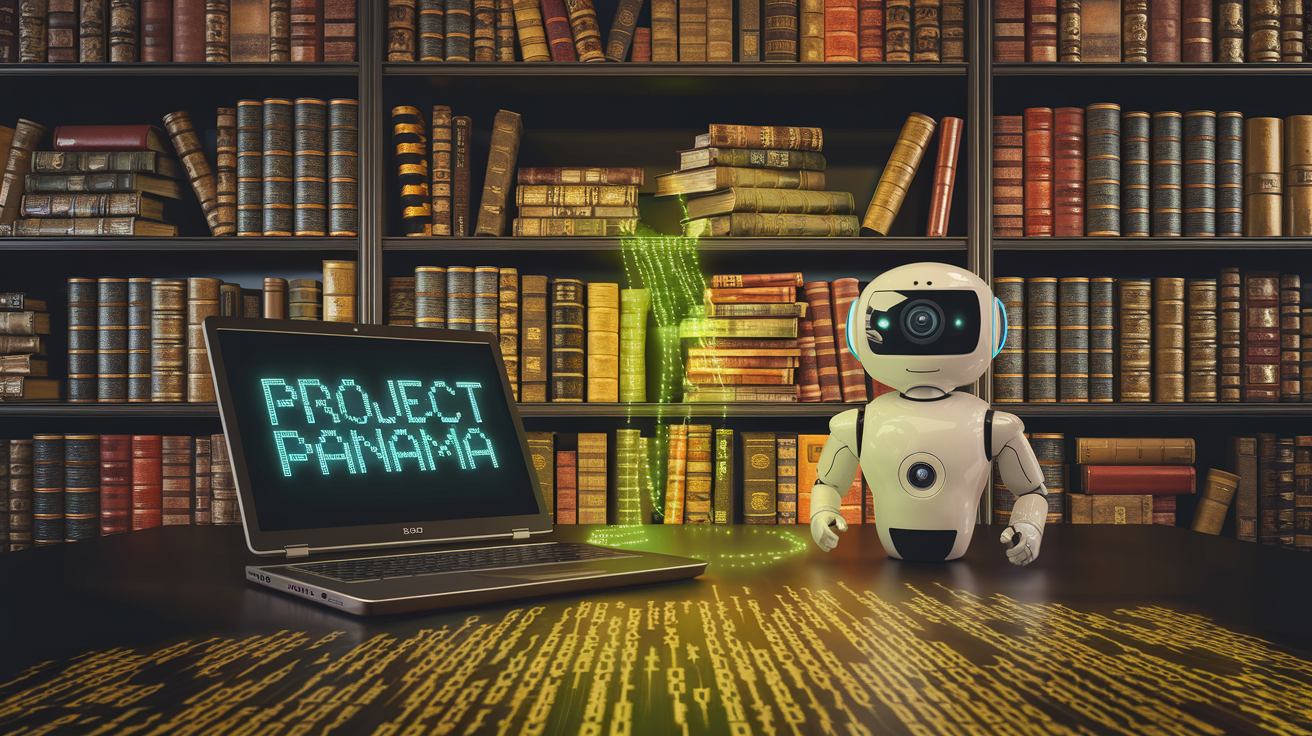
Recently we got to know that in warehouses across the world, a silent, industrial war is being waged on printed knowledge. Under the codename "Project Panama," massive operations are systematically purchasing and destroying thousands of physical books, from rare histories to out-of-print novels. Using hydraulic guillotines, these books are decapitated and fed into high-speed scanners to convert human thought into digital vectors, before being pulped into slurry. This process creates a dark paradox: as tech giants build "synthetic minds," they are erasing the very physical artifacts that contain the history of human thought, leaving behind nothing but private digital caches.
Chapter 1: Unsealing Exhibit 21
For years, the public believed that Artificial Intelligence was trained on the open internet, reddit posts, Wikipedia articles, digitized public domain documents, and licensed web data. But as language model trainers grew hungrier, the open internet proved to be a toxic bog of bad grammar, clickbait, and increasingly, "Al slop" generated by other chatbots.
To make Al read, reason, and think like a genius, tech giants needed something pure. They needed long-form, multi-chapter human thought-uncontaminated logic forged before the internet existed.
They needed books". Millions of them.
In late July 2026, details from unsealed court documents in the federal class-action lawsuit Bartz v. Anthropic PBC sent shockwaves through the tech and literary worlds. Tucked inside the court records was a bombshell document marked Exhibit 21. It was an internal planning memo from Anthropic, the celebrated Al safety startup behind the Claude language model.
Exhibit 21 posed a single, chilling question"
"What is Project Panama?"
"Project Panama is our effort to destructively scan all the books in the world."
"Why use a codename? Because we don't want it to be known that we are working on this."
Chapter 2: Why Physical Books?
To understand why a billion-dollar Al company would systematically execute physical literature, you have to follow the trail of "Data Poisoning.
By late 2023, the internet started slowly becoming incestuous. Generative Al had flooded the web with billions of automated articles, blogs, and social media posts. If an Al company trained its new model on the 2024 internet, the Al would essentially be eating its own tail, training on Al-generated text, leading to model degradation known as "collapse."
Books published before 2022 became the ultimate prize. They were structural masterpieces of human language, proofread, edited, logically structured, and completely untouched by artificial intelligence.
Initially, tech companies took the illegal shortcut: digital piracy. Anthropic, Meta, and others acquired massive illicit repositories like Books3, LibGen, and Pirate Library Mirror, hoovering up over 7 million pirated e-books. But when authors sued and settlements loomed (Anthropic alone would eventually settle with authors for an astounding $1.5 billion over pirated digital copies), the corporate legal strategists cooked up an unbelievable loophole.
If you pirate a digital file, you violate copyright law by creating an unauthorized duplicate. But what if you buy the physical book legally, cut off its spine, scan the pages once to teach the computer, and immediately destroy the original paper?
Under a legal doctrine known as the First-Sale Doctrine, once you buy a physical item, you own it-you can read it, burn it, or chop it up. And under the Fair Use ruling issued by federal judges, converting a legally purchased book into digital vectors for internal "transformative" Al training-without re-selling the text-was deemed legal.
It was the ultimate legal alchemy: buy the book, slice its throat, ingest its soul into the Al, destroy the body, and walk away legally bulletproof.
Chapter 3: The Mastermind and the Shadow Network
To pull off a heist of this scale, you need a ringleader who knows where the vault keys are kept.
According to court filings, in early 2024, Anthropic hired Tom Turvey-the former head of strategic partnerships for Google Books. Turvey knew the global supply chain of printed literature better than almost anyone alive. His mandate? Acquire "all the books in the world.".
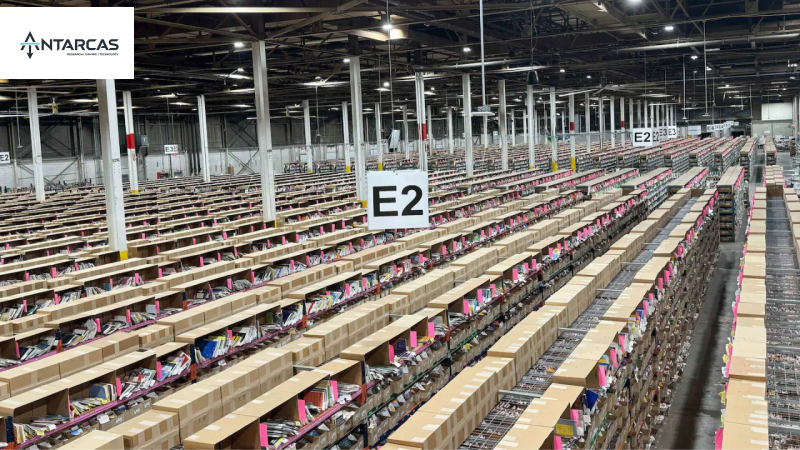
Anthropic rented massive warehouses and hired third-party document processing vendors equipped with industrial hydraulic cutters and high-speed scanner arrays. Between 500,000 and 2 million physical books were bought, processed, and pulped in a matter of months.
But Anthropic was far from alone.
As investigations by investigative outlets like 404 Media, The Washington Post, and The Guardian revealed, a secretive ecosystem of shadow brokers emerged to feed the Al industry's insatiable appetite for paper.
Beyond Anthropic & OpenAl: The Broader Cabal
- ISBNdb: The world's largest commercial book database, holding records for over
111 million titles, began quietly pitching its services directly to Al developers. Their
marketing materials, uncovered by journalists, explicitly touted physical books as a weapon against
Al contamination:
Promising stealth to nervous executives, ISBNdb added: "The optics problem is real. We keep your purchases under wraps.""Print books from the pre-LLM era are structurally guaranteed to be free of this contamination... Physical books published before this date are structurally clean of modern poisoning tools."
- Secondary Reseller Giants: Tech companies flooded online used-book aggregators, including Better World Books, World of Books, Zoom Books, and legendary brick-and-mortar stores like The Strand-buying up hundreds of thousands of used, rare, and out-of-print titles in bulk purchases worth tens of millions of dollars.
- Meta, Google, and OpenAl: Newly unsealed legal filings show that Meta, Google, and OpenAl have all engaged in similar large-scale physical book acquisition and scanning programs, turning global literature into private data caches.
Chapter 4: The evidences and the victims in the recycling bin
What makes Project Panama and its industry wide copycats so horrifying to bibliophiles and historians is not just the commercial audacity, is it an irreparable collateral damage.
When tech companies order "all the books in the world" in bulk, the brokers send 100,000 copies of mass-market paperbacks and clear out warehouse shelves containing out of print academic monographs, obscure regional histories, 19th century poetry collections and single-edition prints that never existed anywhere in digital form.
Antiquarian booksellers have voiced deep alarm. Several independent booksellers revealed that Al purchasing agents were clearing out inventory containing rare, non-digitized, out-of-print books.
Because the scanning process used by Project Panama was destructive (slicing the spines with hydraulic blades), these physical copies were rendered irrecoverable. In some cases, the only surviving physical copies of obscure historic works were sliced, scanned into proprietary corporate servers, and dumped into a recycler to be turned into cardboard boxes.
The public didn't get a digital library like Google Books or the Internet Archive where readers could browse the text. The public got nothing. The digital versions were locked deep inside private corporate vaults, accessible only as mathematical parameters inside chatbots like Claude and ChatGPT.
Chapter 5: The Horror of the Future, The Final Paradox
We are living through a historical paradox that reads like a dark twist in a fantasy novel:
In order to create "synthetic human minds," modern technology is devouring the physical evidence of real human minds.
- The Erasure of the Record: As libraries and secondhand stores sell off physical inventories under economic pressure, and as Al conglomerates buy up physical print runs to destroy them, the physical record of pre-2022 human thought is actively shrinking.
- The Monopoly on Knowledge: A handful of private corporations now hold exclusive digital archives derived from millions of destroyed books. If the physical originals no longer exist, and the public has no access to the scanned files, the Al giants become the sole keepers of historical memory.
- The Irony of "Fair Use": Federal courts ruled that destroying physical books to feed an Al is legal because it is "transformative." Yet, the very creators whose life work was shredded to make these chatbots smarter receive zero royalties from the physical destruction of their legacy.
Epilogue: Smoke Above the Stacks
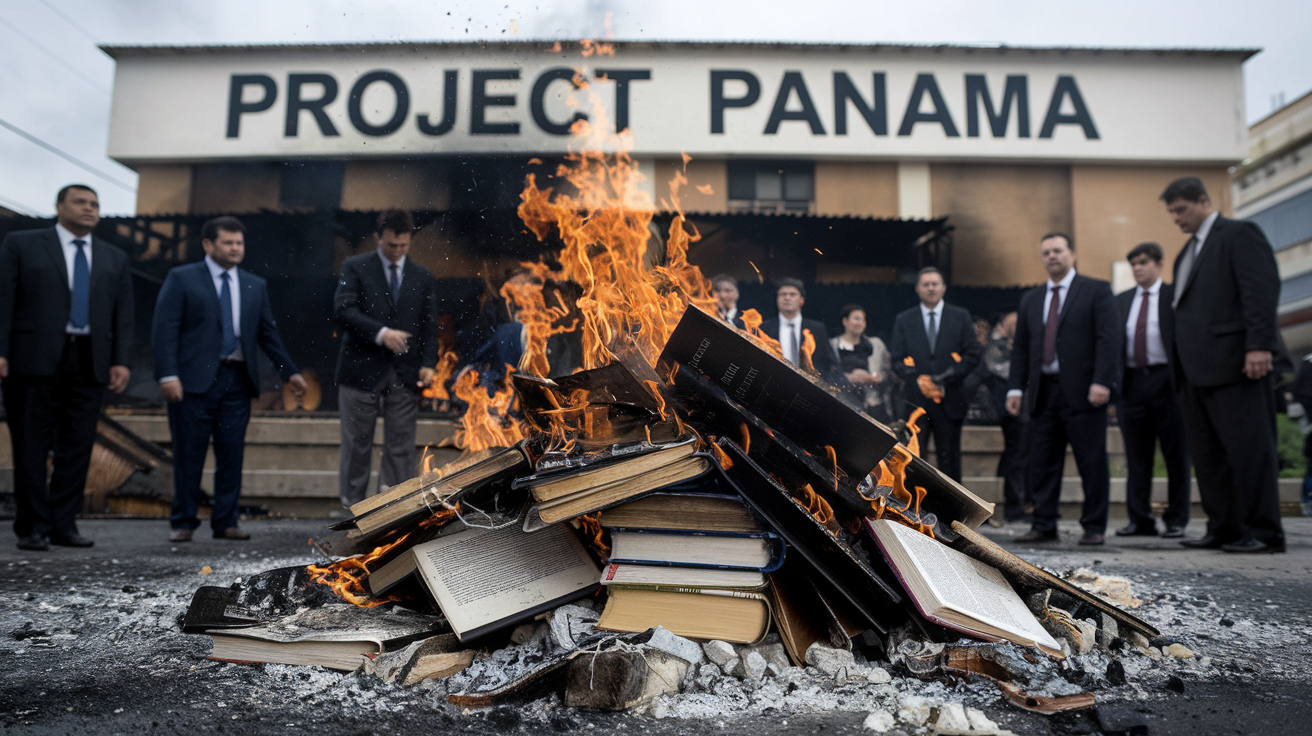
History remembers the fires of the Library of Alexandria, the Nazi book burnings of 1933, and the cultural purges of the past with tragic solemnity. In those dark moments, books were destroyed out of hatred for the ideas inside them.
Project Panama represents a new kind of tragedy. The books were not destroyed out of hatred; they were destroyed out of corporate utility. They were loved not for their stories or their soul, but for their data points. They were slaughtered so a machine could learn how to sound.