

The video game industry in mid-2026 having a complex transition. As of now, the hyper-inflation of production budgets, coupled with aggressive ecosystem price hikes and structural studio consolidation, has forced a critical re-evaluation of how games are funded, developed, and monetized.
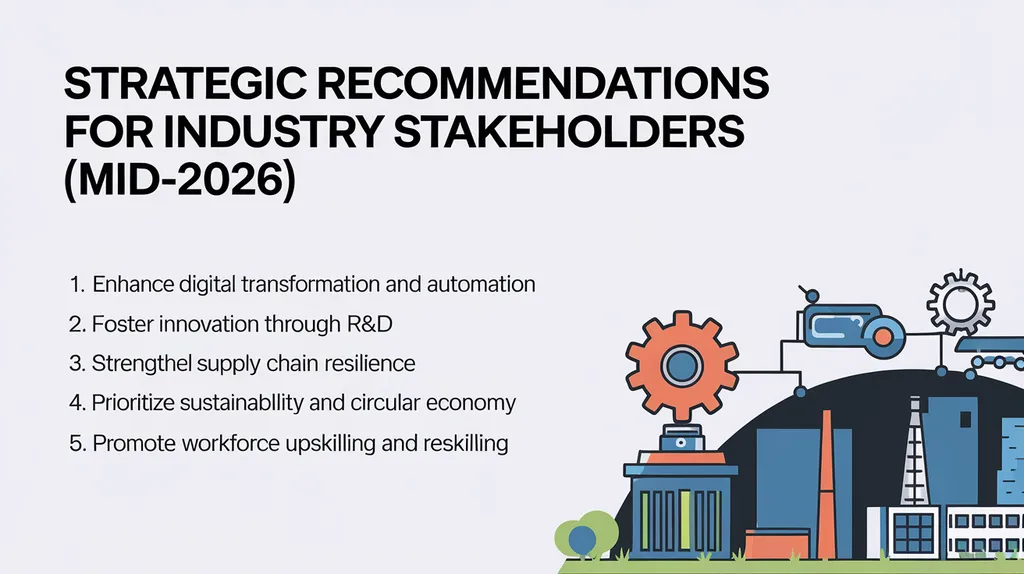
Using key market indicators, studio layoff metrics, and breakout success stories documented in IGN Video Game, Movie, and Entertainment Hub_13, this strategic brief outlines five core recommendations for industry stakeholders.
1. Optimize Production Budgets: Pivot to the "AA" Sweet Spot
The traditional "AAA" development model, characterized by 5-7 year development cycles and budgets exceeding $150 million, is proving increasingly unsustainable in a market where consumers are highly value-conscious.
Market Evidence
As reported in IGN Video Game, Movie, and Entertainment Hub_13, the mid-budget indie-tier title Meccha Chameleon achieved a historic milestone by selling over $7 million copies in its first 2 weeks of release. This commercial runaway success demonstrates that high-quality, mechanically focused, smaller-scope games can yield exceptional return on investment (ROI) with a fraction of the development time and capital required by bloated blockbusters.
Strategic Action Items
- Cap Production Scopes: Limit development timelines to a strict 2-3 year cycle. Focus on polished, targeted gameplay mechanics rather than photorealistic visual bloat.
- Emphasize Strong Art Direction: Use stylized, unique aesthetic frameworks (such as the low-poly look of Meccha Chameleon) to mitigate the exponential costs associated with ultra-high-fidelity asset creation.
- Optimize Asset Recycling: Prioritize modular design paradigms and deliberate asset recycling to keep engineering costs low.
2. Prepare for the Digital-Only Paradigm and Hardware Cost Friction
Platform ecosystems are raising barriers of entry to offset decelerating hardware sales, significantly shifting how software must be distributed and priced.
Market Evidence
According to IGN Video Game, Movie, and Entertainment Hub_13, Microsoft has officially raised the retail pricing of Xbox consoles yet again, while completely sunsetting the premium 2 TB hardware model. Concurrently, Valve's newly detailed Steam Machine is experiencing immediate consumer "sticker shock," moving far beyond its original target price of approximately $750 USD and forcing Valve to publicly defend its 8 GiByte unified memory configuration as sufficient for living-room play.
Strategic Action Items
- Design for Digital Agility: With physical retail volume shrinking and Grand Theft Auto 6 standardizing discless "Code-in-a-Box" SKUs, publishers must optimize their digital pipelines. This includes securing server capacity early to prevent day-one download bottlenecks.
- Optimize Software Footprints: Build advanced compression systems to ensure massive titles can fit on standard SSDs without forcing consumers to purchase expensive secondary storage expansions, especially as 2 TB console variants are phased out.
- Flexible Tiered Pricing: To combat consumer friction over rising base game prices, offer modular pricing models, such as a leaner starter edition alongside premium editions, to maximize initial player acquisition.
3. Mitigate Employee Attrition and Structural Layoff Risks
The gaming industry is undergoing a severe workforce correction, resulting in low morale and organizational instability.
Market Evidence
Data compiled in IGN Video Game, Movie, and Entertainment Hub_13 highlights widespread organizational anxiety. Former Xbox employees have publicly warned of a rising potential for corporate retaliation during rumored impending layoffs. This tension is compounded by active staff reductions at other major publishers, including Ubisoft, and specialized sectors like virtual reality.
Strategic Action Items
- Prioritize Organic Scaling: Avoid rapid, speculative hiring sprees based on short-term market trends. Instead, utilize flexible, reliable co-development partners to scale production teams dynamically during peak developmental milestones.
- Foster Transparent Studio Culture: Establish clear, anonymous feedback channels and robust internal HR protocols to protect employees from retaliatory practices, maintaining high retention rates of critical institutional knowledge.
- Proactive Career Transition Programs: If layoffs are structurally unavoidable, provide robust, structured severance and job placement pipelines to maintain long-term industry partnerships and preserve developer goodwill.
4. Re-allocate Specialized Hardware Budgets (VR & AR)
Virtual reality and specialized peripheral gaming are entering a period of prolonged commercial stagnation as consumers consolidate their budgets around portable handhelds and traditional screens.
Market Evidence
As documented in IGN Video Game, Movie, and Entertainment Hub_13, even highly successful, top-performing VR developers are feeling the economic squeeze. Combat Waffle Studios, the decorated team behind the virtual reality hit Ghosts of Tabor, was forced to implement staff layoffs due to a shrinking market for highly specialized hardware software.
Strategic Action Items
- Pause High-Budget VR Exclusives: Transition specialized hardware budgets toward cross-platform development. Ensure that any VR/AR project features a robust "flat-screen" PC or console companion mode to expand the potential addressable market.
- Leverage Mixed Reality (MR) for Utility: Focus remaining specialized hardware budgets on mixed reality utilities, educational software, or enterprise training, where corporate budgets are proving more resilient than consumer gaming markets.
5. Adapt to Shifting Global Venture Capital Pipelines
The geographic flows of video game investment capital are realigning as global publishers adjust their priorities.
Market Evidence
A major macro-investment shift is currently underway. IGN Video Game, Movie, and Entertainment Hub_13 reports that Chinese tech giant Tencent is in active talks to divest and offload its stakes in several prominent global game studios, notably Japanese developers like Marvelous (the creators of Rune Factory and Monster Hunter Stories). Tencent is systematically redirecting this capital to fund its highly capital-intensive artificial intelligence race against domestic competitors like Alibaba and ByteDance.
| Origin State (Divestment Target) | Deployment Destination (Re-investment) | Target Strategic Rationale |
|---|---|---|
| Niche Global Gaming Bets (e.g., Marvelous / Japanese Handheld Studios) |
Artificial Intelligence & Core Tech (Alibaba/ByteDance Defensive Race) |
Capital reallocation from high-variance artistic assets to highly scalable, generative computing pipelines. |
Strategic Action Items
- Explore Alternative Funding Models: Independent and mid-sized developers formerly reliant on major Eastern investment groups must diversify their funding pools. Seek out regional government grants, public-private partnerships, and specialized indie funds.
- Leverage the Power of Self-Publishing: With publishers pulling back on global bets, developers should leverage modern digital self-publishing toolsets, direct-to-consumer marketing, and community-driven funding (such as early access models) to retain creative control and equity.
- Incorporate Targeted AI Efficiencies: As investors prioritize AI development, studios that showcase how they utilize machine learning and generative tools to optimize their internal workflows and reduce asset pipelines will find it significantly easier to secure modern venture capital.
Conclusion
The mid-2026 landscape demands organizational agility, strict budget discipline, and a focus on core gameplay loop innovation. By shifting away from bloated development scopes, preparing for the digital-only ecosystem transition, protecting workforce morale, and diversifying capital acquisition strategies, gaming stakeholders can successfully navigate these industry headwinds and secure long-term profitability.